
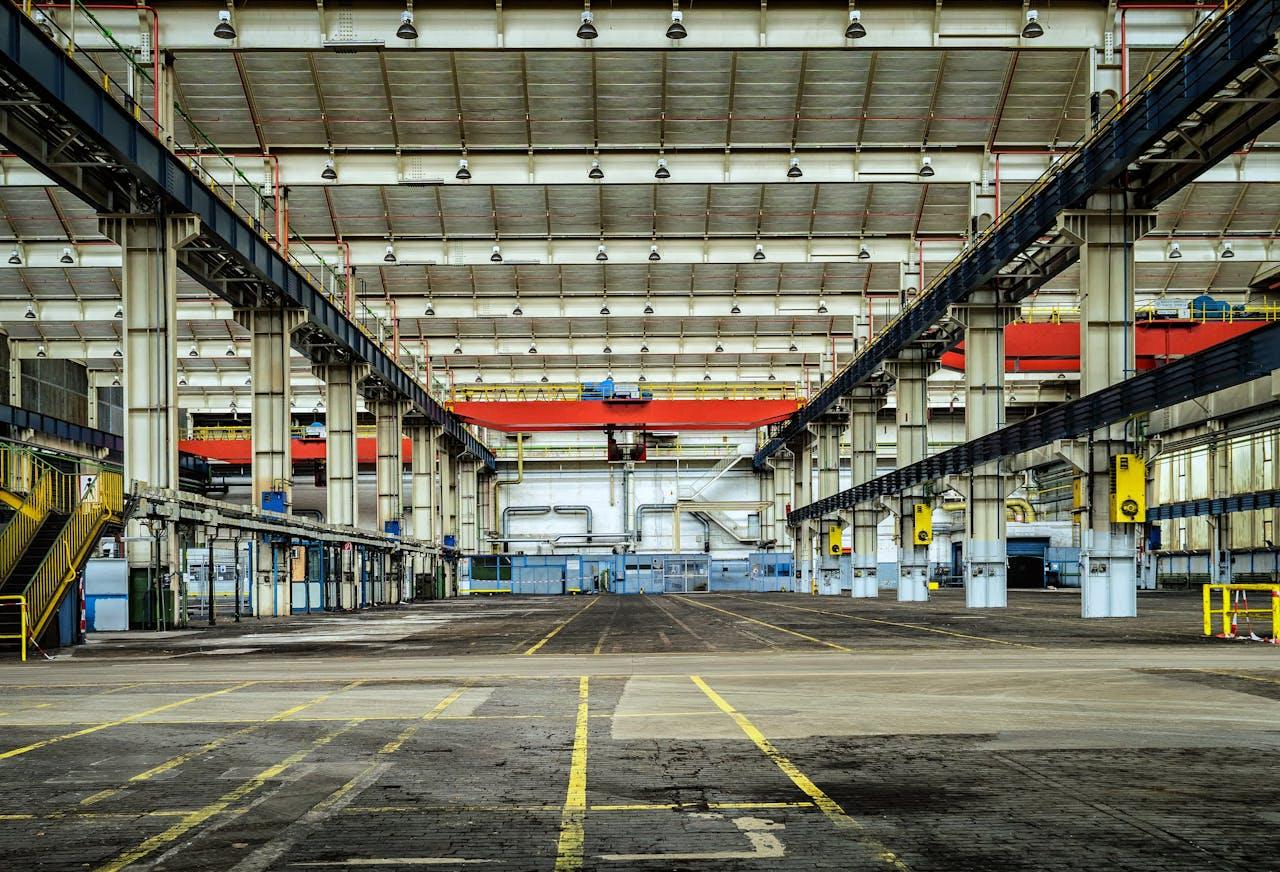
Relocating a business requires careful planning, clear communication, and a strong logistical strategy. Every company encounters unique challenges during a move, especially when employees must handle valuable equipment, technology, and daily operations. Because of these differences, businesses must approach relocation with a plan that reflects their specific needs. The conversation around industrial moves vs. office moves highlights just how different these relocation types can be. Industrial facilities often involve heavy machinery and complex operational systems, while office environments focus on workstations, technology, and employee coordination. Understanding these distinctions helps businesses prepare effectively and avoid unnecessary disruptions during the transition.
Industrial Moves vs. Office Moves: Understanding the Scope of Industrial Moves
When discussing industrial moves vs. office moves, it becomes clear that industrial relocations typically involve a much larger operational scope. Manufacturing plants, warehouses, and production facilities rely on specialized equipment that requires careful disassembly, transport, and reinstallation.
Teams must evaluate each machine, determine how to move it safely, and coordinate transportation that can support the weight and size of industrial assets. Proper planning ensures that companies protect valuable equipment while keeping operational downtime as short as possible.
The Unique Nature of Office Moves
Office relocations operate on a completely different scale. Instead of machinery and production equipment, office environments focus on furniture, electronics, documents, and employee workspaces.
Although these items may appear easier to move, the complexity lies in organization and coordination. Offices contain hundreds of interconnected pieces of technology, including computers, servers, networking equipment, and communication systems. These elements must be packed and transported with care to avoid disruption to daily operations.
Office moves also require thoughtful planning around employees. Workstations need to be recreated accurately in the new space so teams can return to work with minimal confusion. This means labeling systems, layout plans, and careful coordination are essential.
While industrial moves focus on equipment logistics, office relocations prioritize workflow continuity.
Equipment Handling and Transportation Differences
One of the most obvious differences between industrial and office relocations is the type of equipment involved.
Industrial moves often require specialized rigging professionals who understand how to safely lift and transport heavy machinery. Equipment may need to be secured with custom crating, shock absorption materials, and heavy-duty transport trailers. Some machines are also sensitive to vibration or temperature changes, requiring additional precautions during transit.
Office relocations typically involve more conventional transportation. Moving trucks equipped with protective padding, dollies, and lift gates are usually sufficient for desks, cabinets, and electronic devices.
However, delicate electronics and servers still require protective packing materials and careful handling to avoid data loss or hardware damage.
Planning and Timeline Considerations
The planning timeline for each type of relocation also differs significantly.
Industrial moves usually require extended preparation periods because companies must pause operations in stages. Teams often begin by mapping out the production process and determining which machines they can move first without disrupting the entire workflow. Permits for oversized loads or special transportation routes may also be necessary.
Office relocations tend to operate on shorter timelines, but they still require structured planning. Many companies schedule moves during weekends or holidays to reduce disruption to employees and clients.
Regardless of the timeline, successful relocations depend on clear communication and detailed planning.
Packing Strategies for Different Business Environments
Packing strategies vary widely depending on the type of relocation.
Industrial equipment often requires custom crates, reinforced packaging, and protective materials designed for heavy or fragile machinery. Certain components may need moisture protection, anti-static wrapping, or climate-controlled transport. Office packing is more about organization than structural protection. Computers, monitors, and documents need careful labeling so they can be reassembled quickly at the new location. Preparing a packing supplies checklist for office relocation helps teams stay organized while streamlining the process and ensuring that essentials like labels, protective sleeves, cable organizers, and document boxes are readily available

Safety and Compliance Requirements
Safety is a critical factor in any business relocation, but the risks are often higher in industrial environments.
Moving heavy machinery involves strict safety procedures. Workers must use protective gear, follow equipment handling guidelines, and operate lifting tools properly. In some industries, compliance with safety regulations and inspection standards is mandatory before equipment can be reinstalled and used again.
Office moves also involve safety considerations, though they are usually less complex. Protecting employees from lifting injuries, securing cables and electronics, and preventing damage to sensitive devices are the primary concerns.
Even though the risk level differs, safety planning should never be overlooked.
Technology and Infrastructure Challenges
Modern businesses rely heavily on technology, which adds another layer of complexity to relocation projects.
Industrial facilities may have automated production lines, robotics, and specialized control systems that require careful disconnection and recalibration at the new site. Engineers and technicians are often involved in these relocations to ensure systems function properly after installation.
Office environments face their own technology challenges. Network infrastructure, internet connections, phone systems, and internal servers must be set up quickly to maintain communication and workflow.
Ensuring that technology works immediately after the move is essential for both industrial and office environments.
Organization and Inventory Management
Effective inventory management plays a key role in both types of relocations.
In industrial settings, companies must track thousands of components, tools, and machine parts. Detailed documentation ensures that every item arrives at the correct location and can be reassembled without confusion.
Office relocations require similar attention to detail, though the focus shifts toward organizing furniture, workstations, and files. Labeling boxes by department or employee helps recreate the office layout efficiently once everything arrives at the new location.
Clear inventory tracking prevents lost items and simplifies the unpacking process.
Minimizing Business Disruption
Every relocation aims to reduce operational downtime as much as possible.
Industrial companies often adopt phased relocation strategies. This approach allows teams to keep parts of the facility operating while they move other sections. In some cases, they establish temporary production lines to maintain output during the transition.
Office relocations focus on maintaining communication and access to essential files. Cloud-based systems and remote work solutions have made it easier for employees to stay productive during the moving period.
Regardless of the business type, minimizing disruption requires careful scheduling and contingency planning.
Choosing the Right Moving Expertise
Selecting professionals who understand the specific requirements of the move can make a significant difference in the outcome.
Industrial relocations often require specialized logistics providers with experience in heavy equipment transport, rigging, and machinery installation. These experts understand how to handle complex systems and ensure everything is moved safely.
Office relocations typically rely on commercial moving teams experienced in handling office furniture, electronics, and workspace organization. Their expertise ensures that the move happens efficiently while protecting valuable equipment and documents.
Choosing the right expertise ensures that both the logistics and the operational needs of the business are properly addressed.

The Importance of Extended Planning Timelines
Every business relocation presents its own set of challenges, but companies should always match their strategy to the type of operation they are moving. Companies that recognize the differences between industrial moves vs. office moves can develop more effective relocation plans and avoid common logistical problems.
By tailoring logistics to the business environment—whether industrial or office-based—organizations can protect their assets, minimize downtime, and transition smoothly into their new workspace. Thoughtful preparation and the right expertise allow businesses to move forward with confidence and maintain productivity throughout the relocation process.
https://www.pexels.com/photo/empty-concrete-building-236705
https://www.pexels.com/photo/man-holding-white-box-with-a-woman-holding-throw-pillows-7218211
https://www.pexels.com/photo/man-couple-woman-friends-7464721