
All Posts in Category

Commercial Real Estate

Industrial Moves vs. Office Moves: Tailoring Logistics to Business Type
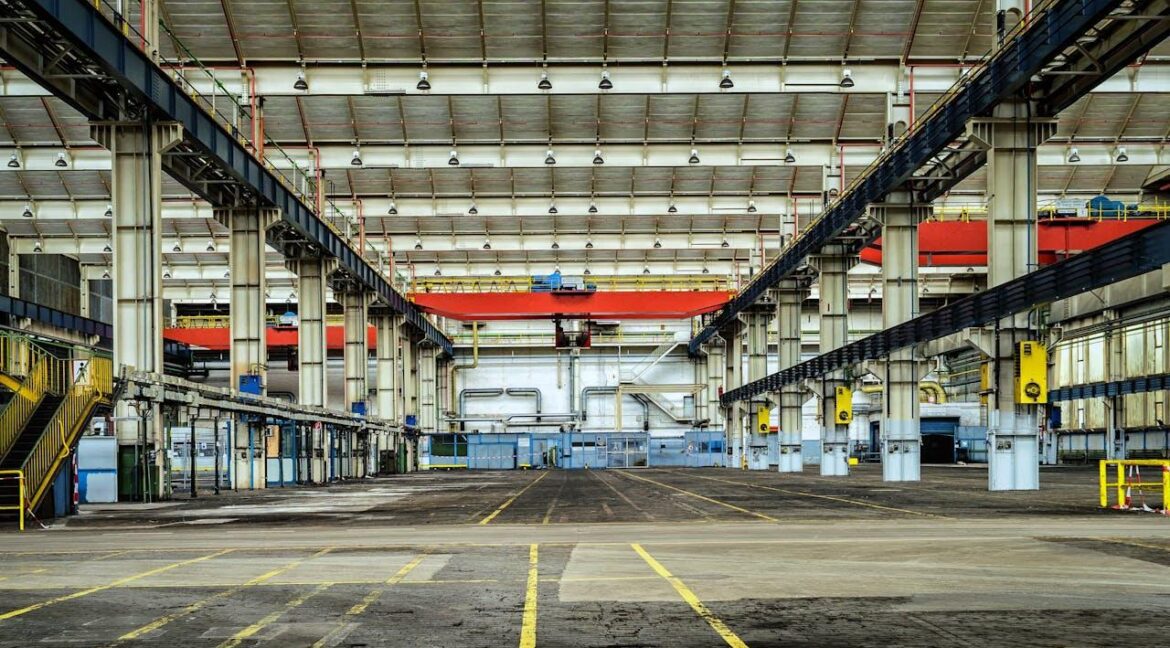
A photo of an industrial sector

Relocating a business requires careful planning, clear communication, and a strong logistical strategy. Every company encounters unique challenges during a move, especially when employees must handle valuable equipment, technology, and daily operations. Because of these differences, businesses must approach relocation with a plan that reflects their specific needs. The conversation around industrial moves vs. office…

Crisis Management for Commercial Real Estate: Preparing for Natural Disasters and Other Emergencies

Crisis management for commercial real estate involves strategies and actions designed to prepare for, respond to, and recover from emergencies such as natural disasters. This comprehensive approach safeguards lives, minimizes damage, and ensures business continuity. Effective crisis management includes identifying potential risks, developing thorough response plans, and training staff and tenants. Property owners and managers…

How Seasonal Relocations Affect Commercial Property Demand

Seasonal relocations have become a significant factor in shaping the dynamics of the commercial real estate market. As businesses shift locations to take advantage of market cycles, tourism peaks, or regional demand, the movement influences where companies choose to operate. It also affects how investors and landlords plan for occupancy. Understanding how seasonal trends shape…

From Temporary to Transformational: The Power of Pop-Up Spaces During Commercial Moves

People in an office

Relocating a business often leads to downtime and lost visibility. Many companies now use pop-up spaces during commercial moves to stay connected with their customers. These short-term locations help keep operations running while the main site transitions. They also allow brands to maintain customer engagement without interruptions. Pop-up spaces are more than a temporary fix….

How Relocation Readiness Impacts Commercial Lease Negotiations

Relocating a business is more than just moving furniture from one space to another. It is a strategic decision that influences company growth, employee satisfaction, and financial stability. One of the most overlooked aspects of this process is how relocation readiness directly impacts commercial lease negotiations. Landlords, brokers, and property managers all evaluate how prepared…

How to Time Your Commercial Move for Maximum Profitability

A pile of cardboard boxes

Relocating a business is more than a change of address—it’s a strategic decision that can influence productivity, profitability, and long-term growth. Learning to time your commercial move for maximum profitability can make a big difference, whether you experience minimal disruption or face a prolonged period of lost revenue. The process involves far more than packing…

The Great Tenant Shuffle: What Happens When Anchor Businesses Move Out

Mall full of people

When anchor businesses move out, malls and retail centers face immediate disruption. These large tenants drive most customer visits. Smaller shops depend on this traffic to survive. Once the anchor leaves, the entire property feels the impact. Store sales drop. Visitor numbers fall. Lease values decline. An empty anchor space signals trouble to everyone in…

Asset Valuation vs. Income Valuation of Commercial Real Estate

An office with wooden furniture

Commercial real estate plays a key role in the investment market. Accurate valuation is critical for making informed decisions. Two primary valuation methods—asset valuation and income valuation—offer unique insights. Each approach serves distinct purposes depending on the property and investment goals. Understanding Asset Valuation Asset valuation determines a property’s worth based on tangible factors, such…

Elevating Tenant Satisfaction Through Advanced Building Management and Maintenance Practices

Elevating tenant satisfaction is vital for long-term success in property management. Satisfied tenants are more likely to renew leases, reducing vacancy rates and increasing revenue. A well-managed building creates an environment where tenants feel valued and comfortable. In fact, tenant satisfaction directly impacts property retention rates and overall profitability. Building managers must adopt efficient management…