

Crisis management for commercial real estate involves strategies and actions designed to prepare for, respond to, and recover from emergencies such as natural disasters. This comprehensive approach safeguards lives, minimizes damage, and ensures business continuity. Effective crisis management includes identifying potential risks, developing thorough response plans, and training staff and tenants. Property owners and managers must establish clear communication channels, coordinate with local emergency services, and conduct regular drills to ensure everyone knows their roles during a crisis. The goal is to create a resilient environment that can withstand unexpected events. On the other hand, neglecting these preparations can lead to severe consequences, including financial loss and harm to occupants.
Conducting a Thorough Risk Assessment
Identifying potential natural disasters and emergencies in your area is the first step in preparing your commercial property. Assess local hazards such as floods, earthquakes, hurricanes, or fires. Also, you should consider historical data and future predictions to understand what risks are most likely. Evaluate the vulnerability of your commercial property by examining building structures, materials, and locations. Prioritize risks based on their severity and likelihood. Create a detailed list ranking each potential disaster from most to least threatening. This prioritization helps in allocating resources and efforts where they are needed most. Regularly update the assessment to incorporate new data and changing conditions. Effective risk management starts with understanding the specific threats to your property, allowing you to develop targeted strategies for protection and resilience.

Crisis Management for Commercial Real Estate: Emergency Response Plan
Creating a step-by-step guide for emergencies is the foundation of a strong emergency response plan. Start by identifying scenarios such as fires, floods, earthquakes, and power outages. For each situation, outline clear procedures that staff and tenants must follow to ensure safety. You should establish specific roles and responsibilities for everyone involved. Assign duties such as coordinating evacuations, providing first aid, and communicating with emergency services. Next, incorporate detailed evacuation routes and assembly points into your plan. Map out accessible and marked primary and secondary exits. Designate safe areas where people can gather after evacuating the building. Finally, regularly review and update these evacuation routes and assembly points to adapt to building layout or occupancy changes.
Securing Adequate Insurance Coverage
Securing adequate insurance coverage is imperative for protecting your commercial property against potential disasters. First, review your current insurance policies. Check if they provide sufficient coverage for various risks. Regularly update these policies to reflect any changes in property value or new additions. Obtain additional policies for specific risks not covered by standard insurance. For instance, properties in flood-prone areas need separate flood insurance policies.
Similarly, in earthquake-prone regions, you should consider specialized earthquake insurance. Consulting with insurance experts can help you understand the nuances of different policies and recommend comprehensive coverage tailored to your property’s unique needs. They can identify gaps in your current coverage and suggest improvements.

Ensuring Tenant Safety and Communication
Install and maintain emergency alert systems throughout the property for tenant safety and effective communication during emergencies. Regularly test them to guarantee they function when needed. Though unpopular, regular safety drills with tenants and staff familiarize everyone with evacuation routes and procedures. They also help identify any issues in the emergency response plan and allow for necessary adjustments.
To quickly convey important information to all tenants, develop a tenant communication plan for emergencies. Utilize multiple communication channels, like emails, texts, and public address systems. By prioritizing tenant safety and maintaining clear communication, crisis management for commercial real estate becomes more effective, helping protect property and occupants during emergencies.
Implementing Recovery Procedures to Minimize Downtime
You should develop a robust business continuity plan to resume operations quickly after an emergency. Identify critical operations and establish backup solutions to maintain these functions during a crisis. Plan alternative power sources, secure data backups, and remote work capabilities for employees.
If the property becomes uninhabitable, having a strategy to relocate operations to another location can save valuable time and resources. Identify potential sites where you can temporarily shift operations, ensuring these locations have the required infrastructure and resources. When planning a move, it’s important to account for seasonal challenges, such as storms or extreme weather, which can complicate logistics if you’re moving during the hurricane season, for example. Coordinating with a trusted moving company that can handle the relocation efficiently and securely is key. Professional movers specializing in long-distance moves can help minimize disruptions and protect your investments by swiftly packing, transporting, and unpacking all necessary equipment and materials, ensuring your operations are back up and running with minimal downtime.
Coordinating with Local Emergency Services
Building strong relationships with local fire, police, and medical services guarantees they will be familiar with your property and can act swiftly during an emergency. Share your emergency response plan with these services to give them a clear understanding of your procedures and layout. This collaboration allows them to offer valuable feedback and identify any potential improvements.
To enhance coordination, it is wise to conduct the aforementioned drills and training sessions with local emergency services. During these drills, focus on realistic scenarios at your property.
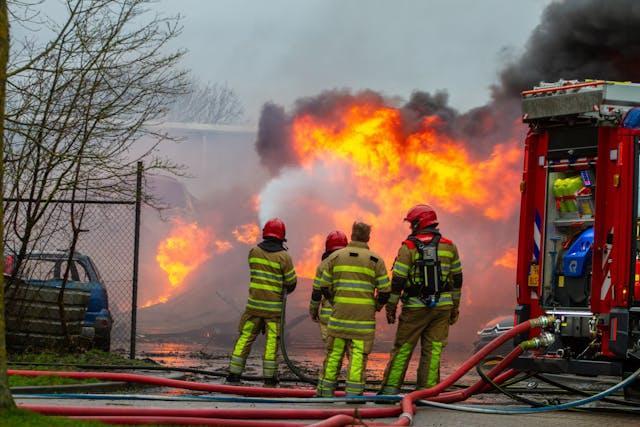
Integrating local emergency services into your crisis management strategy strengthens your preparedness while fostering a sense of community and mutual support. This proactive approach helps to safeguard your property and the well-being of all its occupants.
Best Practices for Effective Crisis Communication
Designate a spokesperson responsible for all emergency communications to ensure clarity and efficiency. This individual should be well-versed in the emergency response plan and able to convey information calmly and accurately. Prepare pre-scripted messages for various scenarios. These messages can be quickly adapted to the situation, ensuring timely and consistent communication. Cover different types of emergencies, such as natural disasters, security threats, and system failures, to be prepared for any event.
Use multiple communication channels to reach all stakeholders promptly so everyone receives the necessary information, regardless of location or accessibility to specific channels. Remember, clear, timely communication is essential for protecting property and occupants during emergencies, making it a critical component of crisis management for commercial real estate.
Evaluating and Updating Emergency Plans Annually
Regularly evaluating and updating your emergency plans ensures they remain effective and relevant. Conduct annual reviews of your emergency response plan to identify gaps or areas for improvement. This review process should involve all stakeholders, including staff and tenants, to gather comprehensive feedback.
Assess the effectiveness of past responses and drills. Look at how well the plan was executed during these exercises and identify any issues that arose. Use this information to make necessary adjustments, ensuring the plan addresses all potential scenarios.
Incorporate new information and feedback from recent events or changes in the environment. It may include updates to building structures, new tenants, or changes in local emergency services. Regular updates and evaluations prepare you for emergencies and help maintain high safety and readiness, reducing potential risks and improving response times.
Conclusion
Proactive crisis management for commercial real estate is crucial for ensuring the safety of occupants and minimizing financial losses. By implementing thorough risk assessments, developing comprehensive emergency response plans, securing adequate insurance coverage, and maintaining clear communication, property managers can effectively prepare for emergencies. Regularly updating these plans and coordinating with local emergency services enhances readiness and resilience. Continuous vigilance and preparation are essential in safeguarding commercial properties and their occupants. Stay prepared and proactive to ensure a swift and effective response to any crisis.
Photos used:
https://www.pexels.com/photo/lightning-and-tornado-hitting-village-1446076
https://www.pexels.com/photo/men-riding-motorcycles-on-a-flooded-street-23939154
https://www.pexels.com/photo/handing-out-of-documents-7821684
https://www.pexels.com/photo/firefighters-putting-out-fire-4127694